Friday, 18 November 2016

How to Clean Double Glazed Windows

cleaning double glazing

Investing in double glazed windows is a worthwhile cost, providing increased thermal efficiency that will make significant savings on your heating bill in the long term. Maintaining your windows is essential to ensure they last for years, minimising the damage caused by wear and tear, weather effects, and other outside elements.

We’ve listed some of the top tips to keeping your double glazed windows clean for best results below.

You will need:

  • A soft cloth
  • Non-abrasive cleaner or warm soapy water
  • A cup of white vinegar to keep windows streak free

Cleaning your windows

Remove any large items of debris to avoid scratching the glass, then use your cloth soaked in the cleaner or water to wash the windows. Adding the cup of white vinegar will help avoid streaks forming as the windows dry, creating a sparkling finish.

It’s essential that you only use a soft cloth – an abrasive brush can scratch or damage the appearance of the glass. Some people also opt to use a vacuum cleaner with a brush attachment on their window frames, which is an effective method to clean up any dust and debris that may have gathered there.

Tougher stains

For tougher, more stubborn stains, a PVC solvent or uPVC cream can be an effective method to tackle these areas. Always make sure that the cleaners you are using are suitable for the windows to avoid damaging the seals and compromising your double glazing.

This article was written by Abbey Glass, a double glazing based in Sheffield. Abbey Glass can provide quality materials and a professional installation service scheduled to your convenience.

The post How to Clean Double Glazed Windows appeared first on UK Home Improvement Blog.


from UK Home Improvement Blog http://www.ukhomeimprovement.co.uk/how-to-clean-double-glazed-windows/

Why Coloured Radiators are Growing in Popularity

On our blog today, we’re here to give you a little bit of interior inspiration regarding coloured radiators.

Yes, we have many talents here and interior design with a good-eye is one of them! Prepare yourself for a discussion on colour, style and how your radiator can help transform a room.

We believe that radiators shouldn’t just be a metal thing that you hide behind a sofa.

When you look at our catalogue, you can see that our ranges of radiators are innovatively designed with style as well as efficiency. Due to the fact that every home has a different personality, we provide a wide spectrum of radiators that has the ability to suit your individual taste. The choice is endless!

A common question: How can I make my radiator something ‘that ties the room together’ rather than ‘that old metal thing on the wall’?

Try this – next time you’re looking to buy radiators, why not try something a bit more adventurous? Get rid of ol’ rusty in the corner and invest in a BRIGHT COLOURED RADIATOR to add a fresh change to your room.

Several of our radiators come in an interesting palette of colours – here are just a few options that you could choose from to help brighten the place up.

Bisque Blok Radiator

bisque blok coloured radiator

This aluminium radiator of Italian design is sure to add an interesting splash of colour to your living space. Simple and sophisticated, this unit comes in a vast range of colours to excite and inspire any home decorator.

As you can see in our catalogue, the selection of colours for this model is incredibly diverse, from subtle blues to bolshie reds and crisp greens. Just imagine a bright burst of yellow to greet guests in your living room, or perhaps a calming blue to help you wind down in your bedroom?

A stylish radiator for all looks and moods. Check it out!

Aestus Koloris Single Glass Panel Wall Mounted

aestus koloris coloured radiator

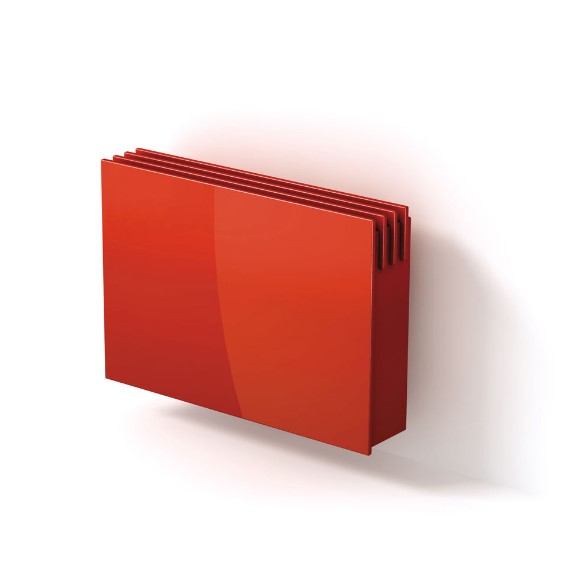
This wall mounted radiator model has a gorgeous, sleek glass panel design in an assortment of vivid colours. From zesty Chili Red to Green Grass, add a bold POP to your home.

Not only are these heaters stylish and slick in aesthetic, but the glass front panel means that it has an incredibly high heat output.

Not JUST a pretty face!

Bisque Archibald Electric Towel Radiator

electric towel radiator

Nothing feels as good as getting out of the shower and wrapping yourself in a hot towel straight off the radiator…

The Bisque Archibald Electric Towel Radiator offers you a stylish way to keep your towels warm in your bathroom. Coming in a wide range of colours, this quirky clothes hanger design is a fun way to bring colour in your bathroom.

Aeon Abacus

aeon abacus

Now we’re talking! For people who want something fun and artistic in their homes. This stainless-steel abacus inspired radiator is a kaleidoscope of colour and would be a feature in any room, perfect for general fun lovers and children’s nurseries. Can you believe this is a radiator? Looks more like a work of art!

The coloured abacus globes also come in silver and gold designs if you are looking for a different effect.

Now that you’ve seen some of our coloured radiators, and the different incarnations they come in, it’s time to start exploring Designer Radiator Direct – this is only the tip of the ice berg , Their catalogue of radiators is filled with interesting, stylish units that could help transform your home. Happy exploring!

The post Why Coloured Radiators are Growing in Popularity appeared first on UK Home Improvement Blog.


from UK Home Improvement Blog http://www.ukhomeimprovement.co.uk/coloured-radiators-growing-in-popularity/

Tips and Ideas for Commercial Kitchen Design for Small Kitchens

Commercial kitchen design has a direct impact on the performance of a restaurant/café across a number of different measures, including efficiency, safety, and profitability. Good design will take account of many aspects of commerciality, from staff safety and ergonomics to food production and the efficiency of foodservices equipment.

By minimising the amount of movement around the kitchen, and the number of steps involved in the completion of a task, kitchens can increase both their productivity and safety. This is achieved by careful planning and consideration.

Three key factors determine good kitchen design:

  1. Budget
  2. Space requirements and capacity
  3. The choice of equipment

Today, we are going to look at the methods involved in designing a viable and profitable commercial kitchen.

commercial kitchen design

To Create a Viable Commercial Kitchen Design You Must Consider the Menu

The first step in the design process is to look at the type of food that you are going to create. Consider each dish from start to finish and document all of the various cooking methods, storage, and preparation requirements needed to make the dish.

You should map your entire menu in this way before deciding on the kitchen size, plan, or layout. If you are restricted to a specific space beforehand, and your menu is too complex, then you will need to drop some dishes off the menu in order to accommodate for this.

Make a List of All of the Catering Equipment Needed to Create the Menu

Once you have done this, you should have a comprehensive list of all of the equipment you will need to complete the kitchen. You can then set about working out how big each of these items needs to be in terms of capacity, and then set about finding these items from a kitchen equipment supplier. This will give you the dimensions of the various pieces of equipment, and this will in turn allow you to work out how big the kitchen will need to be (taking into account walkways).

Choose a Site for Your Kitchen

Now you know how much space you need, you can then set about choosing a site. This could be an existing kitchen, a kitchen that requires remodelling, or a kitchen that you construct from scratch.

Once you have chosen your site, contact your local HSE advisor to ensure that the space is viable for intended use. Otherwise, you might end up with an expensive project.

Take Note of the Precise Measurement of the Space

Next, you need to establish the precise measurements of the kitchen, taking into account the position of the windows and doorways, electrical sockets, piping and plumbing, and various drains (i.e. for washing machines, dishwashers, and sinks).

Ideally, you should use 3D modelling software to create a plan of the kitchen, with all of these existing fixtures and fittings in place. If you are having the kitchen designed professionally, then the designer will take care of this for you. If you do not have access to 3D software, then Architect paper is a sufficient, albeit time-consuming alternative.

Work Out How You Will Make Use of the Space

The first consideration should be flow and ergonomics. These refer to the way that people move around the kitchen and the safest manner of using the various features in the kitchen.

A commercial kitchen should function in such a way as to minimise the number of steps involved in creating the dishes, while at the same time maximising efficiency, safety, and productivity. There needs to be sufficient room for people to move around the kitchen safely, while ensuring minimum time wastage.

Contact a Relevant Architect and Building Inspector to Authorise and Implement Your Plans

The final step in the process is to ensure that your plans are workable and legal. To do this, you need to contact the Food Standards Agency for recommendations and advice. They will be able to direct you to the relevant people. It’s important that you have your plans assessed on a variety of conditions, including food, plumbing, electrical, and fire safety amongst other things.

We hope that you have found this article informative. Should you require further help and advice, please get in touch at garnersfse.co.uk

The post Tips and Ideas for Commercial Kitchen Design for Small Kitchens appeared first on UK Home Improvement Blog.


from UK Home Improvement Blog http://www.ukhomeimprovement.co.uk/commercial-kitchen-design-for-small-kitchens/

Wednesday, 16 November 2016

How to Choose the Right Size Skip for your DIY Project

For some home improvement projects, simply chucking your waste into the household bin isn’t the best solution. If you’re doing a big clear out, refurbishing a room, or undertaking an ambitious DIY project, hiring a skip for the day may be the ideal solution for quickly and cleanly clearing away your waste.

Benefits

You may be thinking that a skip is a costly investment for a simple domestic project, but that’s far from the truth!

Skip hire will actually reduce your waste disposal costs, providing a quick and easy solution to getting rid of your waste in one fell swoop. What’s more, a skip will ensure you comply with all waste disposal regulations when dealing with certain materials, providing a safer method of disposal and keeping your home and the surrounding area safe. Finally, skip hire allows you to lessen your environmental impact by selecting materials to be recycled instead of sent directly to landfill.Skip with rubbish pile beside it

Why would I need a skip?

Skips are suitable for a range of construction and domestic wastes, including general waste, building materials, soil and more. If you are handling potentially hazardous materials, you should discuss your needs with us first to ensure you are not putting unauthorised materials in your skip.

What can go in a skip?

Skips are suitable for a range of materials, although it is always best to check with your skip provider first:

  • General waste
  • Construction waste (e.g. concrete, aggregates)
  • Soil
  • Timber
  • Metals
  • Green waste
  • Dry recycling

Skip Sizes Explained

For home improvement projects, it’s unlikely you’ll need a commercial-sized skip. We stock smaller skip sizes ideal for home improvements and renovation projects that can be delivered and picked up at your convenience. Skip sizes ideal for home DIY projects include:

3yd Mini Skips

Measuring 5’ x 4’, mini skips are ideal for smaller amounts of household or garden waste, capable of holding up to 25-35 black bags of waste. These skips can be used for a huge range of projects, from simply throwing out unused items while redecorating, to completely rehauling the look of your garden.

4YD Midi Skip

Midi skips measure 6’ x 4’3, so are more suited for large household or garden construction improvements, such as demolishing an old shed, renovating a large room or several rooms in one go, or a total spring clean or your garage and attic.

8YD Builders’ Skips

At 12’ x 5’6, builders’ skips are a popular skip size, ideal for large domestic renovations such as complete refurbishments, or garden landscaping.


The post How to Choose the Right Size Skip for your DIY Project appeared first on UK Home Improvement Blog.


from UK Home Improvement Blog http://www.ukhomeimprovement.co.uk/how-to-choose-the-right-size-skip-for-your-diy-project/

Monday, 14 November 2016

How to make the perfect Old Fashioned cocktail

A few weeks ago Rich proudly announced a new series called ‘cocktail corner’ by publishing his recipe for the Martini. I knew nothing of this until he sent me the feature with the words ‘your turn’.

So here’s my first contribution – the dead easy ‘Old Fashioned’. Over to you, Rich…

The Old Fashioned

Brief History
For this recipe we’re traveling back to 1806 and the first documented definition of the word ‘cocktail’, which appeared in an edition of the weekly newspaper The Balance and Columbian Repository and was described as a mix of spirit, bitters, water and sugar. Over the decades this combination of liquids went in and out of fashion, so when their popularity rose in the 1860s they became known as ‘old-fashioned’ cocktails. 

The first known mention of a specific cocktail under the name ‘Old Fashioned’ was said to have been in Kentucky at the Pendennis Club. Although various whiskeys had previously been used to create similar cocktails, this first recorded version used bourbon. So it’s bourbon we’ll use in ours.

After a bit of an identity crisis the Old Fashioned is back in vogue, largely thanks to it being the manly booze of choice for brooding ad-man Don Draper in the telly show Mad Men.

How to make an Old Fashioned.

Difficulty level: Easy

What you’ll need:
2 oz bourbon whiskey
2 or 3 dashes Angosturas bitters
A lump of sugar
A splash of water
Ice

It’s worth getting a decent whiskey for an Old Fashioned as it does most of the work in the cocktail. We’ve chosen an authentic Kentucky bourbon, produced by Wild Turkey, that has been aged for 6 to 8 years in oak barrels.

Instructions:

1 Drop a lump of sugar (or half a teaspoon) into an Old Fashioned* glass and squirt two or three dashes of bitters onto, along it with a splash (teaspoon) of water.

2 Crush the sugar in the manliest manner you can muster.

3 Casually hold the rim of your glass and swirl in nonchalant manner for effect.

4 Add an ice cube or three and pour in the bourbon.

5 Give it another swirl, summon some sort of manly pout, and sip with furrowed brow.

Garnish options

You may have noticed from the photograph that our Old Fashioned is un-garnished. This is because no garnish was mentioned in that original cocktail recording. In 1833 nutmeg gets a run-out for Team Garnish and in 1895 an Old Fashioned recipe includes a ‘piece of lemon peel’.

Contemporary Old Fashioned cocktails often include orange peel or slices and sometimes they’ll insist on a cherry as well. This fruitiness likely comes from the prohibition era when such flavours were added to disguise the liquor. We’re using decent bourbon, and it’s legal, so no disguise required.

Variations

You can substitute the bourbon for any other form of American whiskey or be like a Wisconsinite and use brandy – in which case you had better call it a ‘Brandy Old Fashioned’. Heck, these days you can probably use whatever spirit you like and get away with it, but we would prefer not to go there. And nor will be performing another modern twist by substituting the water with a load of club soda. We want to taste the bourbon…

Wild Turkey Bourbon Old Fashioned

* The short tumbler used for various cocktails was named after the drink. My glass is probably a little bit bigger than a proper Old Fashioned glass, but you will notice other photographers have filled their glasses with more than the prescribed measures to make them look a little more photogenic. This is very much a short cocktail.

The post How to make the perfect Old Fashioned cocktail appeared first on Two Thirsty Gardeners.


from Two Thirsty Gardeners http://twothirstygardeners.co.uk/2016/11/make-perfect-old-fashioned-cocktail-easy-recipe/

Friday, 11 November 2016

Beer of the week #97: Metalman Brewing Co, Heat Sink

One of our most recent ‘Top 10’ beer pieces for our regular paymasters, The Independent, was on the wintery subject of porters and stouts. We both have an appreciation for well crafted black boozes and gleefully drink them all year round, but their toasty tastes really come into their own when the nights are long and Jack Frost is busy sweetening our parsnips.

In order top come up with our list of ten champions we sprung open a lot of cans and bottles, roughly dishing out the duties as follows: I tackled Europe; Rich battled with the rest of the world.*

Throughout our lists we like to include as much variety as possible. In this selection five countries were represented – England, Belgium, America, New Zealand and Japan – and style variants included traditional London porter, milk stout, plum porter and super-strength imperial porter.

Unfortunately, ten isn’t nearly enough to showcase the full global diversity of porters and stouts available and plenty of ace boozes missed out. Perhaps most notable was the lack of representation from stout-mad Ireland, and none of our chosen ones reflected the recent trends of plunging smoke or chilli into the drinkable darkness.

So this week we’ve decided to rectify matters by featuring a porter that was not only brewed in Ireland but contains both smoke and cayenne chilli. Step forward Metalman’s Heat Sink and lets see how you shape up…

Roasty-toasty porter performance

It’s black, has an off-white head and tastes of roasted malt. Those are the easiest boxes successfully ticked. The beer’s body is towards the thinner end of the porter spectrum but that’s perfectly acceptable to me – some folk will heavily mark down a dark ale if it’s anything less than a treacle consistency, but there’s no reason why black beer should be thick. There’s a slightly sharp fruitiness at first and it dries out with a coffee bean finish. In porter terms, it’s a job well done.

Okee-dokee smokey factor

This beer won’t clog your throat with a full intake of bonfire smokiness, but the smokey aromas and tastes are obvious from the start. And as the other flavours drift away it’s that smoke that lingers longest. It’s a light charring rather than full on ash and it works a treat.

Hot ‘n’ spicy thirlly-chilli

At first you may find yourself asking “what chilli?” But be patient. A third of the way through and there’s a faint murmur of heat on the tongue; further down the line the mouth has definitely warmed up; and come the end at least a couple of endorphins have been released in a mild chilli joy. As with the smoke, subtle is the word, but once again it’s a success.

The overall verdict

This is a straight up, unfussy porter given some interest with a mellow smokiness and warming chilli. While it failed to make our top ten it joins a cast of hundreds parading in the ‘just missed out’ category. Good stuff.

The lowdown

Brewery: Metalman Brewing Co, Waterford, Ireland
Beer name: Heat Sink
Strength: 5%

Metalman Heat Sink Can Review Porter

Our IndyBest porters and stouts

These are the ten porters and stouts we picked – full descriptions can be found on the IndyBest site here

Samuel Smith, Taddy Porter
3 Fonteinen, Zwet.be
Hitachino, Espresso Stout
Truman’s London Keeper
Oskar Blues, Ten FIDY
Founders Porter
Bristol Beer Factory, Milk Stout
Five Points, Railway Porter
Three Boys, Oyster Stout
Titanic, Plum Porter

Metalman Heat Sink is available from Honest Brew

*Although I ‘accidentally’ put Oskar Blues’ Ten FIDY on my tasting list, one of the finest American imperial porters you’ll find.

The post Beer of the week #97: Metalman Brewing Co, Heat Sink appeared first on Two Thirsty Gardeners.


from Two Thirsty Gardeners http://twothirstygardeners.co.uk/2016/11/beer-review-metalman-brewing-co-heat-sink-smoked-chilli-porter/

Friday, 4 November 2016

Beer of the week #96: Berliner Kindle Weisse

One of 2016s hippest brewing trends has been the Berliner-style weisse. It’s a beer that is a little bit sour (the main trend of the year); it’s low in alcohol (an inevitable reaction to the booze-bonkers Double IPAs and Imperials of recent times); and it’s a style that offers lots of scope for experimentation. And these days brewers can’t stop experimenting.

But while new brewers are rapidly trying to create the latest Berliner-style hit by filling their pots full of new fruity and hoppy flavour combinations, one brewery – Berline Kindl – has been knocking out its old-school sour weisses pretty much the same way for centuries.

Back in the 1800s Berliner Weisse was the most popular drink in the city with an astonishing 700+ breweries churning out the stuff. Napoleon’s thirsty army guzzled it while trashing the city in 1809 and referred to it as the Champagne of the North. It was big business. But beer has been subjected to the whims of fashion long before the current bearded brewing brigade starting fondling handfuls of American hops, and the Berliner Weisse all but disappeared, with Berliner Kindl’s being the only one to remain from its heyday.

Order your Berliner Weisse in Berlin and they’re probably ask you if you want it green or red. This is because locally it’s often mixed with a sweet syrup – the most common being woodruff (green) and raspberry (red). Which in turn provides the inspiration for all those modern fruity versions.

I’m drinking mine without any such sweet frippery. A straight up Berliner, just the way it was brewed, and it’s a very unique beer to savour. The aroma is like a mild German wheat beer, as if caught from a distance by a gentle breeze, and comes with some estery yeasts. Those esters turn into full sour notes on the tongue and hit the gut in the way a sharp cider does. It’s a light beer at only 3%, so there’s not much body and it takes a little while for the beeriness to come through the initial sour burst. But the beeriness is definitely there, tinted with banana as you might expect from a German Weisse.

Lots of beers pride themselves on their refreshing qualities, but few can match a Berliner Weisse for abilities in the cooling thirst quenching department. It’s practically a beer cordial and it’s obvious how a shot of syrup would give it a new life without ruining any of the brewing work.

The Berliner Kindle logo is a blonde walnut whip-haired infant, clambering out of a hefty looking beer jug – a prize-winning design illustrating the phrase “this is a child of Berlin”. Berliner Kindl Weisse is now the old man of the Berliner-style and, thanks to beer fashion, has a whole bunch of new young pretenders following in its footsteps.

The lowdown

Brewery: Berliner Kindl, Berlin, Germany
Beer name: Berliner Kindl Weisse
Strength: 3%

Berliner Kindl Weisse Review


The post Beer of the week #96: Berliner Kindle Weisse appeared first on Two Thirsty Gardeners.


from Two Thirsty Gardeners http://twothirstygardeners.co.uk/2016/11/beer-week-review-sour-berliner-kindle-weisse/